
Part 1: Youth | Part 2: Exile | Part 3: Call | Part 4: Confrontation | Part 5: Deliverance | Part 6: Preparation | Part 7: Covenant | Part 8: Law | Part 9: Faithlessness | Part 10: Approach
Under Moses’ leadership, Israel has been liberated from slavery in Egypt; they have been constituted as a theocratic nation at Sinai; they have been provided for throughout the 40 years of wilderness wandering; and now they are at the threshold of the Promised Land, with a sizeable army, ready to take it. Since he will not enter the Land, Moses will die here in Moab; but first he will deliver to his people a written formal statement of their Constitution, the Book of Deuteronomy.
In the Ancient Near East at this time, the age of empires, there is a common legal document called a “suzerainty covenant.” This is a formal statement by an emperor to a people that he has just conquered. These covenants commonly have six sections: a preamble stating the emperor’s authority; a summary of the history of this relationship; the expected requirements of the emperor and the conquered people; provisions for communication of these requirements; invocation of witnesses; and blessings for obedience and curses for disobedience.
Scholars have noticed that Deuteronomy follows this structure fairly closely; God is claiming Israel as a covenant people in the way Near Eastern emperors traditionally did.
God has already established his authority at Sinai, in a formal statement we noted there (Ex 34.6-7). Moses recalls that basis (Dt 1.1-6; 5.6), and then recounts the historical background (Dt 1.6-4.49). He then calls Israel to “hearken” (Dt 5.1) to God’s expectations (Dt 5.1-26.19). He initiates the fourth section by repeating the call to obedience (Dt 27.1) and then calls for a memorial system, beginning with a monument at their entrance to the Land (Dt 27.2-8) and a public ceremony formalizing the blessings and curses (Dt 27.9-26). He then promises their fulfillment (Dt 28.1-30.20) as he calls for regular public reading of the provisions (Dt 31.10-12), and he writes a memorial song (Dt 31.19-22; 32.1-47). Along the way he calls them as witnesses (Dt 30.19; 31.19, 28). This final section ends with the famous contrast between life and death:
I call heaven and earth to witness against you today, that I have set before you life and death, the blessing and the curse. So choose life in order that you may live, you and your descendants, by loving the LORD your God, by obeying His voice, and by holding fast to Him; for this is your life and the length of your days, that you may live in the land which the LORD swore to your fathers, to Abraham, Isaac, and Jacob, to give them (Dt 30.19-20).
And he formally commissions Joshua as his successor (Dt 31.23), blesses the people (Dt 33.1-29), views the land from the mountaintop (Dt 34.1-4), and dies (Dt 31.5-8).
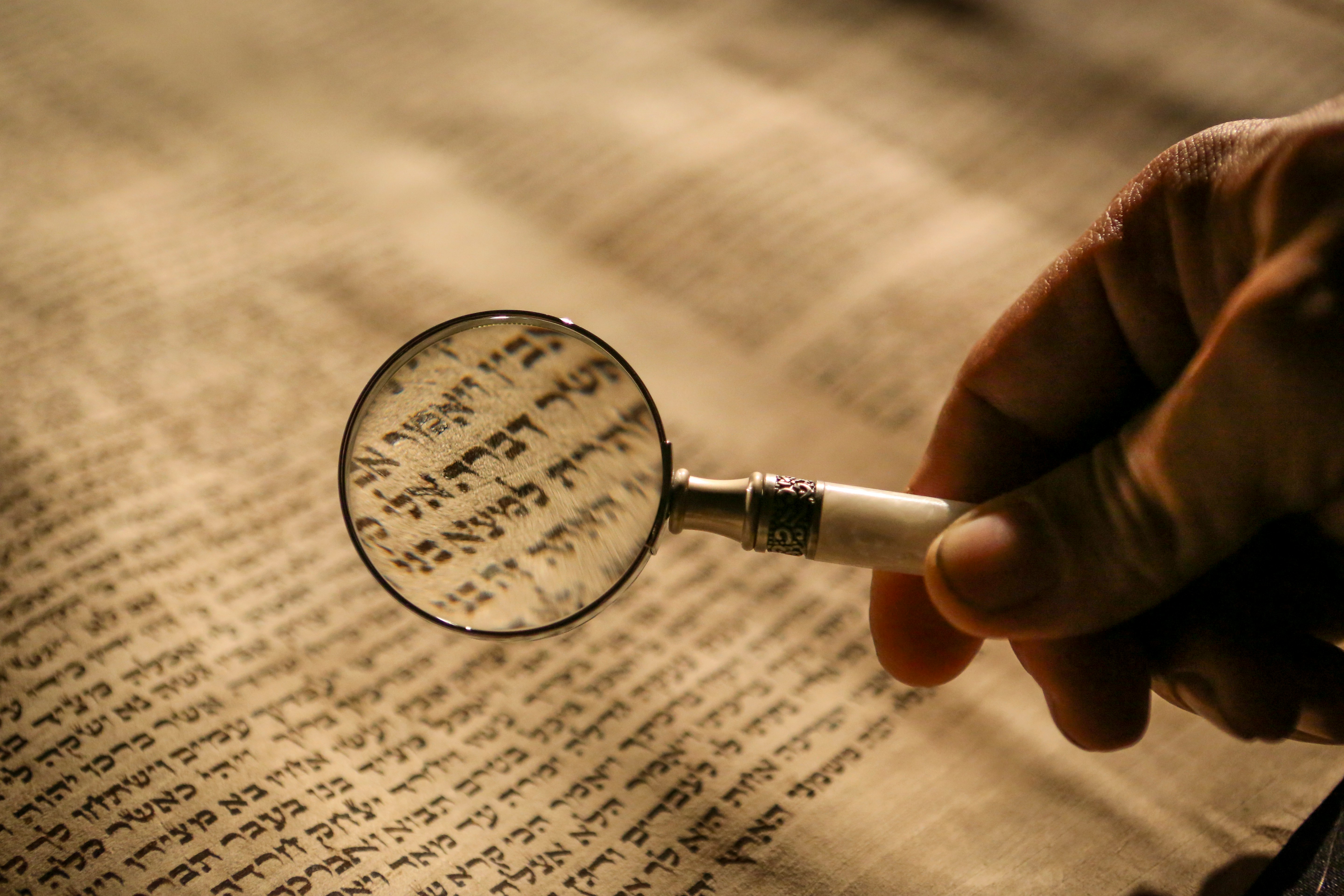
So concludes the Torah, “the five books of Moses.”
Did he write the ending?
Well, he could have, as prophecy, through the Spirit’s inspiration, just as Daniel described the death of Alexander the Great two centuries before it happened (Dan 8.8). Or someone else, probably Joshua, could have added the final chapter. (Note especially Dt 34.6.)
What a remarkable life.
We’ll turn next to another covenant recipient, David (2 Samuel 7). He had quite a life as well; reviewing it will take some time. Buckle your seat belts.
Photo by Mick Haupt on Unsplash
Leave a reply. Keep it clean.